Aged and disability carers are projected to be the fastest-growing occupation over the next 10 years in Australia.
With an ageing population and expanded disability services, the need for trained professionals has never been greater. There are currently around 456,000 aged care workers in Australia. With a 400,000-workforce shortfall expected by 2050.
‘Australia is not yet on track to meet these growing workforce demands, and the Aged Care Act 2024 cannot succeed without a well-trained and supported workforce.
Addressing the workforce crisis is not optional – it is essential,’ reports Ageing Australia.
For people looking to start a meaningful career or strengthen their existing skills, aged care and disability courses provide a direct pathway into the industry.
Roles in this industry offer more than just employment opportunities. They provide the chance to make a genuine difference in people’s lives while building a stable and rewarding career.
Aged care and disability workers are urgently needed
Australia’s health care and social assistance sector has become the largest employing industry in the country, with more than 16% of workers having their main job in it.
This growth is driven by two major trends. Australia’s population is ageing, and disability support services continue to expand through the National Disability Insurance Scheme (NDIS). As a result, trained workers are urgently needed in community care, residential aged care and disability support settings.
Government workforce reports also highlight the scale of the opportunity. Australia’s aged care sector is expected to require tens of thousands of additional workers over the next decade to meet growing demand for services. At the same time, the NDIS continues to support more participants each year, increasing the need for qualified support workers nationwide.
‘According to the National Skills Commission’s Care Workforce Labour Market Study, the care and support workforce overall (across aged, disability, mental health care) will face a gap of 211,430 full-time equivalent (FTE) positions by 2049-50,’ Ageing Australia denotes.
For people considering a career in care, this demand means strong employment prospects and long-term career stability.
Training for Australia’s most needed roles
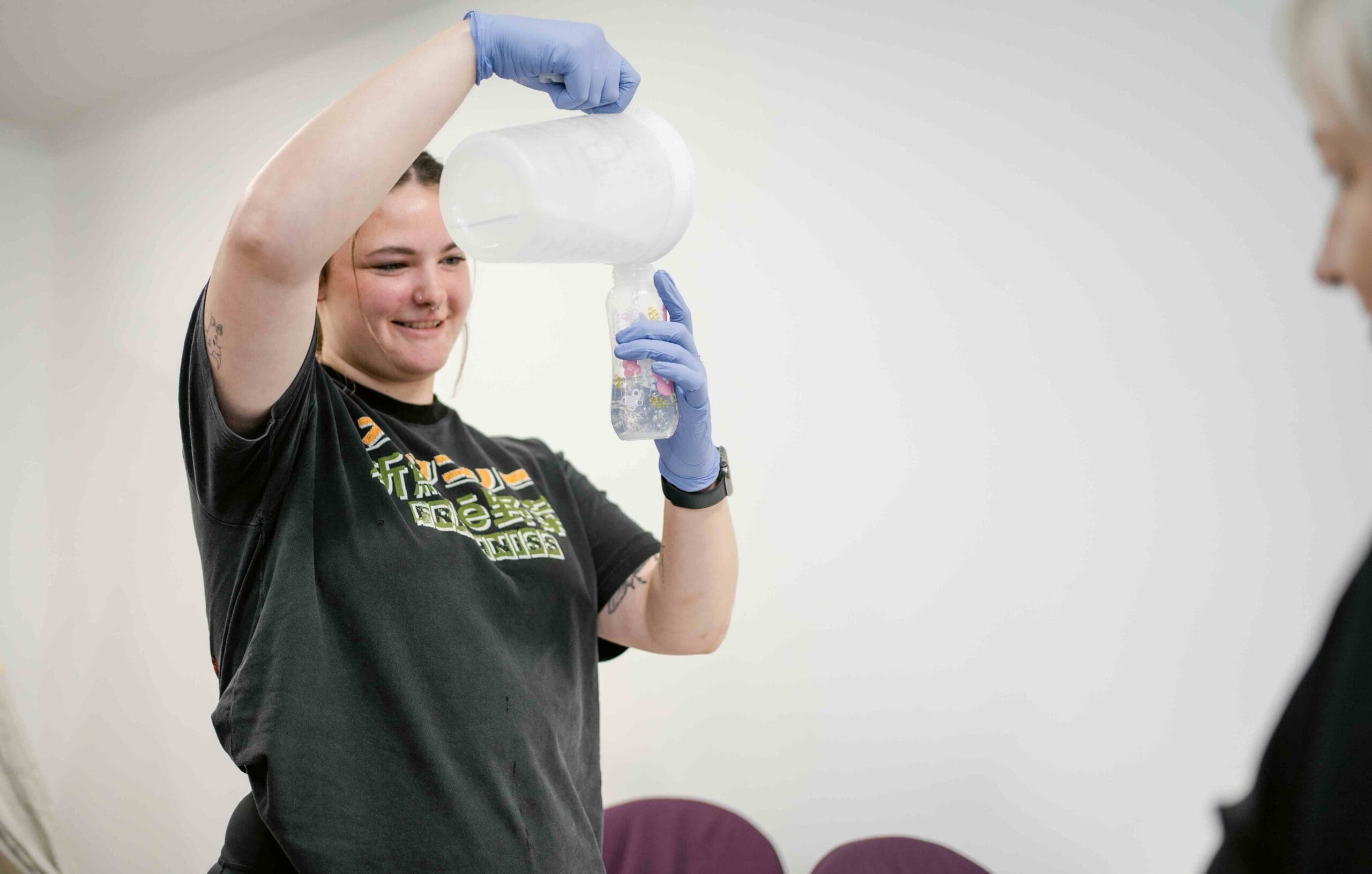
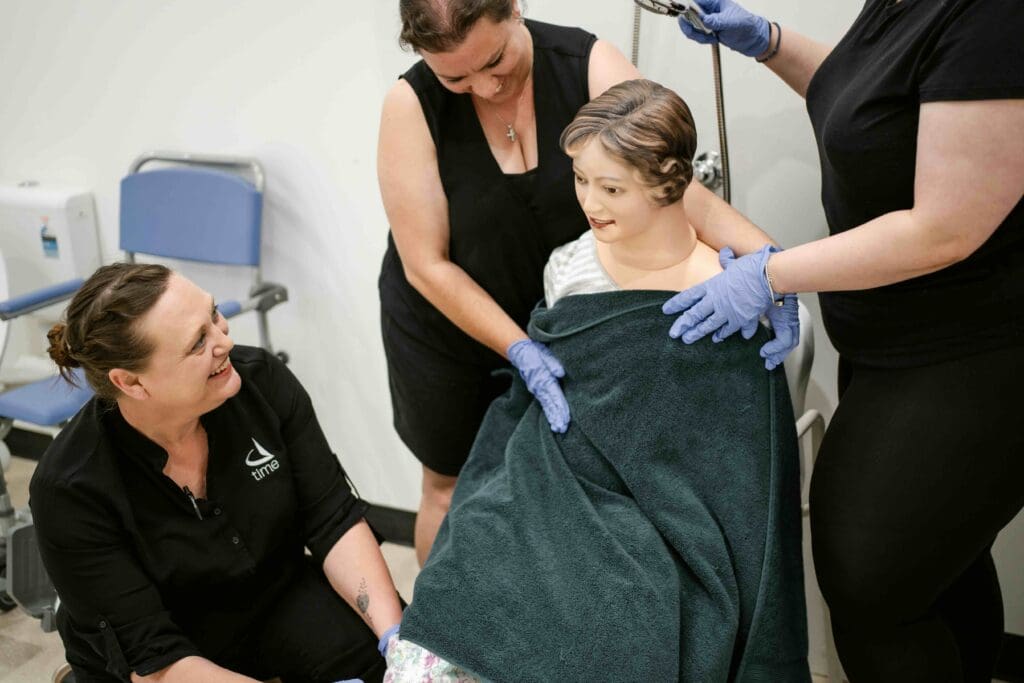
Aged care and disability courses focus on practical, real-world skills that prepare students for work in care environments. Training is focussed on person-centred support, meaning workers learn how to help individuals maintain dignity, independence and quality of life.
Through these courses, students develop skills such as supporting daily living tasks, assisting people to follow individual support plans, communicating effectively with clients and families, and responding to changing health or support needs.
Equally important is learning how to provide care safely and respectfully. Students gain knowledge in duty of care, workplace safety and supporting individuals in ways that empower them to remain as independent as possible.
By combining practical training with theoretical knowledge, these courses help students feel confident stepping into the workforce.
The Certificate III in Individual Support: the gateway qualification
For many people entering the industry, the CHC33021 Certificate III in Individual Support is the starting point. This nationally recognised qualification reflects the role of workers who provide person-centred support to people who may require assistance due to ageing, disability or other circumstances.
Graduates develop the core skills needed to work in community or residential care settings, supporting individuals with daily activities while promoting independence and wellbeing. Because the qualification is recognised across Australia, it provides a strong foundation for building a career in the care sector.
Ageing and disability skill sets
For workers who already have experience in care roles, specialised skill sets can help deepen knowledge and expand opportunities.
The CHCSS00129 Individual Support – Ageing Skill Set is designed for those who want to strengthen their ability to support older Australians, building confidence in responding to the unique needs associated with ageing.
The CHCSS00130 Individual Support – Disability Skill Set focuses on supporting people living with disability (of which 21.4% of Australians have reported living with disability), helping workers develop the skills needed to deliver tailored, person-centred support in a variety of settings.
These skill sets allow workers to extend their expertise without completing another full qualification, making them a practical way to grow within the sector.
The personal rewards of working in care
Working in aged care or disability support is really rewarding on a personal level. Every day you help someone maintain their independence, dignity and connection to their community, which can make the work feel genuinely meaningful, rather than just a clock-on and clock-off job.
For many workers, the most rewarding part of the role is knowing their work directly improves someone’s quality of life.
The Job satisfaction and regulation in the aged care sector: staff perspectives study indicates, ‘Most participants indicated they thought they were doing a worthwhile and important job (98%), were proud to work in the sector (94%) and found the job personally rewarding (94%).’
According to the Aged Care Worker Survey 2024 report, 43% of workers have worked in the aged care sector for more than 10 years and 65% want to keep working in the aged care sector.
It is also a sector where relationships matter. Support workers often build meaningful connections with the people they assist, creating a sense of purpose that many other careers cannot offer.
Where should you start?
As Australia’s population continues to grow and change, the demand for skilled care workers will only increase. Aged care and disability courses provide the knowledge, confidence and practical experience needed to step into this important industry.
At Time Education & Training, we offer nationally recognised training delivered by experienced trainers in a supportive face-to-face learning environment for which you may be eligible for government subsidy. Our programs focus on practical, workplace-ready skills so students feel prepared for real-world care roles.